
A dangerous surge in the mouse population on Marion Island, situated off the southern tip of South Africa, has prompted experts to undertake a bold extermination effort that could mean life or death for many of the island’s native species.
According to a report by Earth.com, the invasion began centuries ago when mice were inadvertently brought to the island aboard sealing ships. For years, they posed little threat, but recent environmental shifts have turned them into major ecological menaces. Warmer temperatures caused by climate change are extending the rodents’ breeding seasons, resulting in an explosive growth of their population.
This dramatic increase has created a substantial imbalance in the island’s delicate ecosystem, with the mice feasting on bird eggs— and shockingly— even on adult seabirds. Most disturbing, the mice have recently been seen feeding for extended periods on live nesting birds, including the globally endangered wandering albatross. These enormous seabirds, which have never needed to defend against ground predators, remain still and helpless as the rodents chew through their flesh, leading them to die from blood loss or infections.
“These mice, for the first time last year, were found to be feeding on adult Wandering Albatrosses,” said Mark Anderson, CEO of BirdLife South Africa. “Mice just climb onto them and slowly eat them until they succumb.”
The crisis is worsened by additional climate-related challenges. Rising sea temperatures are causing prey fish to dive deeper and move farther south, which forces adult seabirds to travel greater distances for food. Exhausted upon return, these birds are less able to defend themselves or tend to their nests. Simultaneously, severe storms—also intensified by global warming—damage or destroy nesting areas. “Combined with the mouse attacks, these pressures make every breeding season a roll of the dice,” Earth.com noted.
Marion Island serves as a critical habitat for 29 species of seabirds, including roughly a quarter of the world’s population of wandering albatrosses. Nineteen of those bird species are now in danger of local extinction. Their loss could jeopardize the stability of the marine ecosystem surrounding the island. Seabirds play a crucial role in the ocean’s food web by enriching soil and water ecosystems with nutrients through their droppings, particularly nitrogen and phosphorus, which in turn supports plankton growth and fish populations.
The broader environmental implications of such an imbalance are dire. When an invasive species like the mice displaces or destroys native species, it can disrupt natural ecological services including carbon storage, food and water production, and disease regulation. As history has shown, the economic fallout from such ecological degradation can reach into the billions, even trillions of dollars.
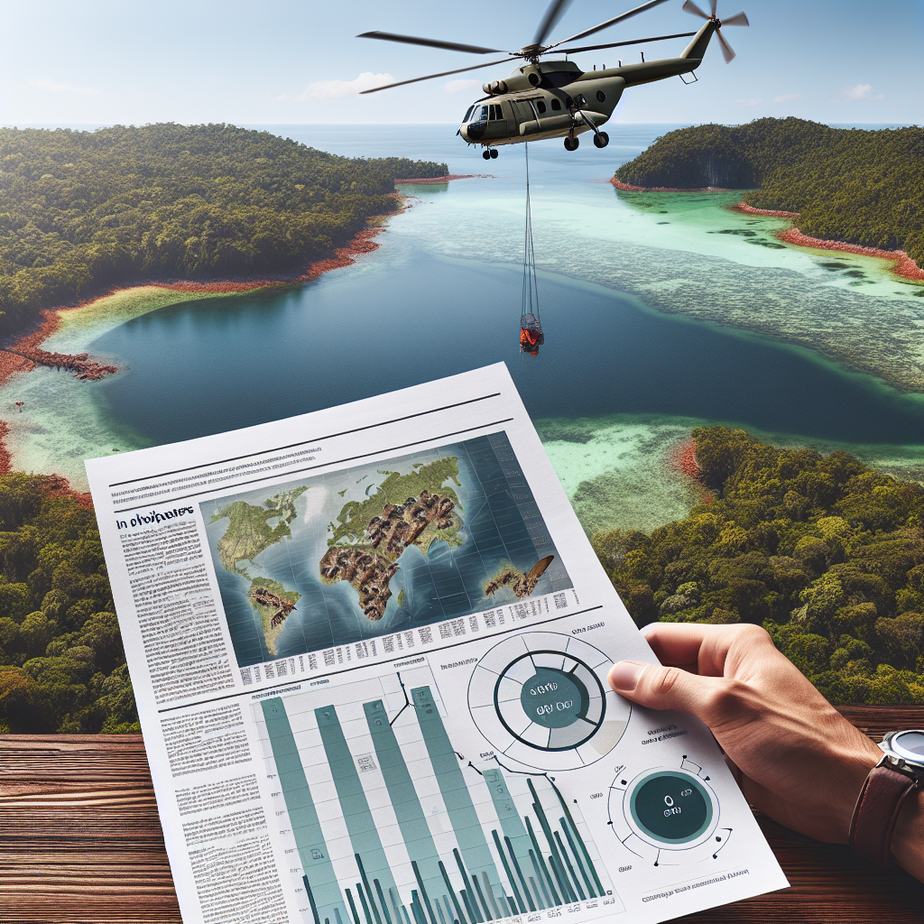
In response, conservation authorities have launched the Mouse-Free Marion Project: an ambitious plan to eliminate every mouse on the island. The strategy includes deploying helicopters to distribute a staggering 600 tons of cereal pellets laced with rodenticide across the island’s landscape. The plan, scheduled to take place in 2027, hinges on total eradication—leaving no mouse behind.
Anderson emphasizes the need for the all-or-nothing approach: “We have to get rid of every last mouse. If there were a male and female remaining, they could breed and eventually get back to where we are now.”
With an estimated $29 million required to fund the operation, the project is now active in its fundraising phase. Conservationists argue that while extreme, the solution is essential to preserve not only Marion Island’s avian residents but the broader ecosystem they support.